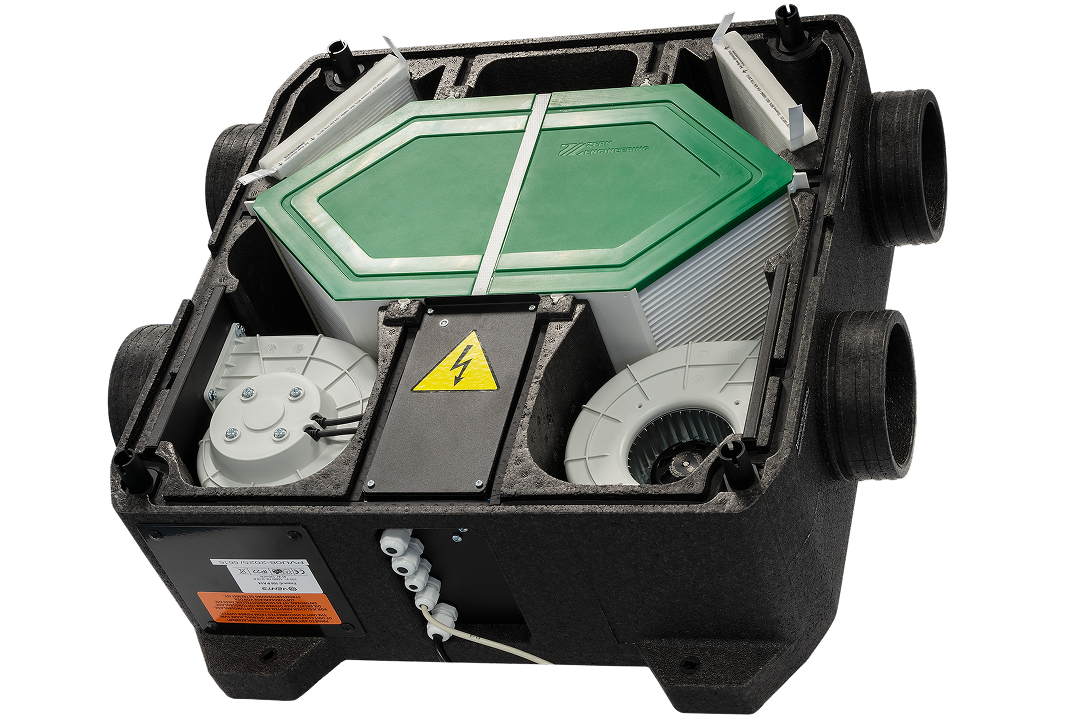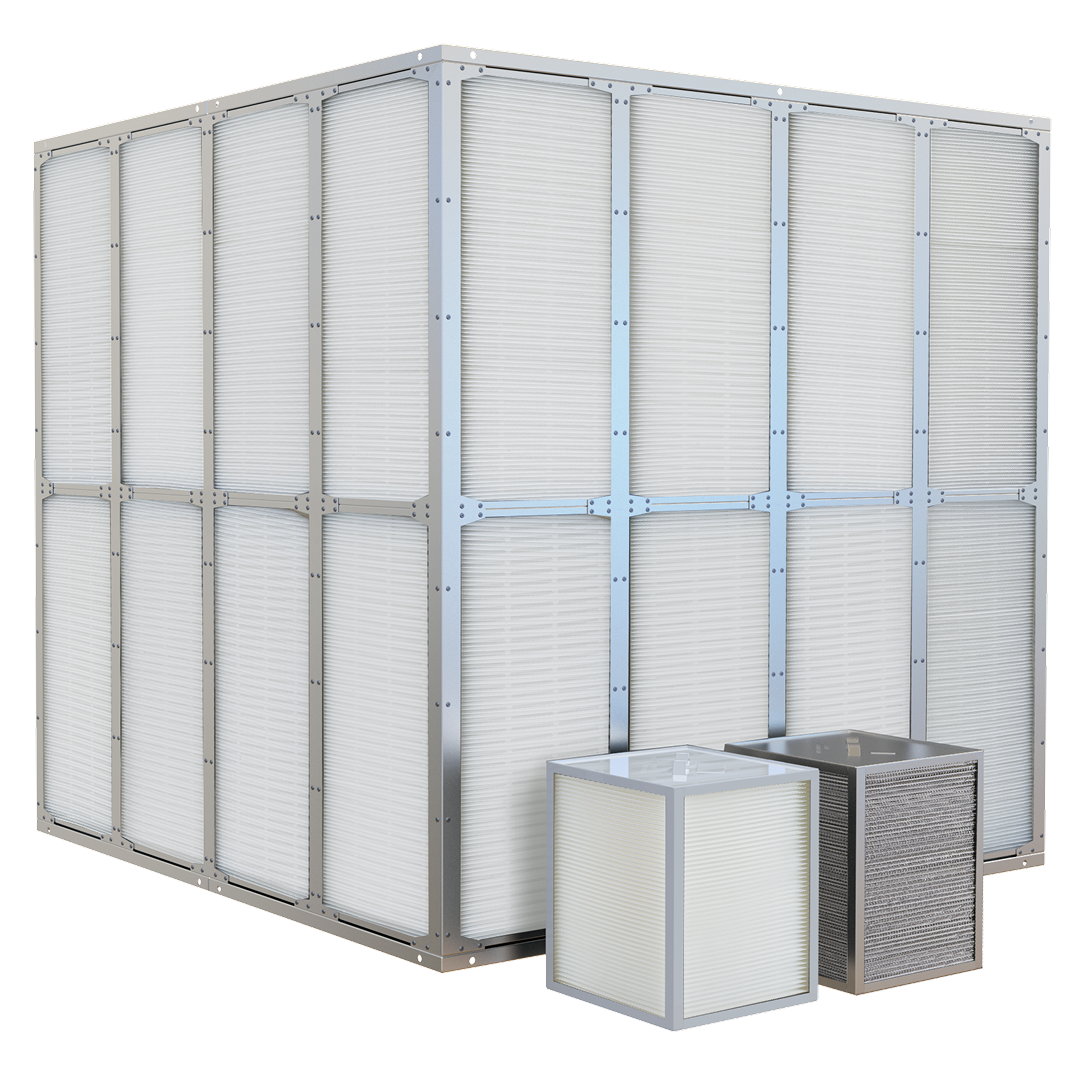
Counter-flow heat exchangers
95%
Efficiency
95%
Efficiency
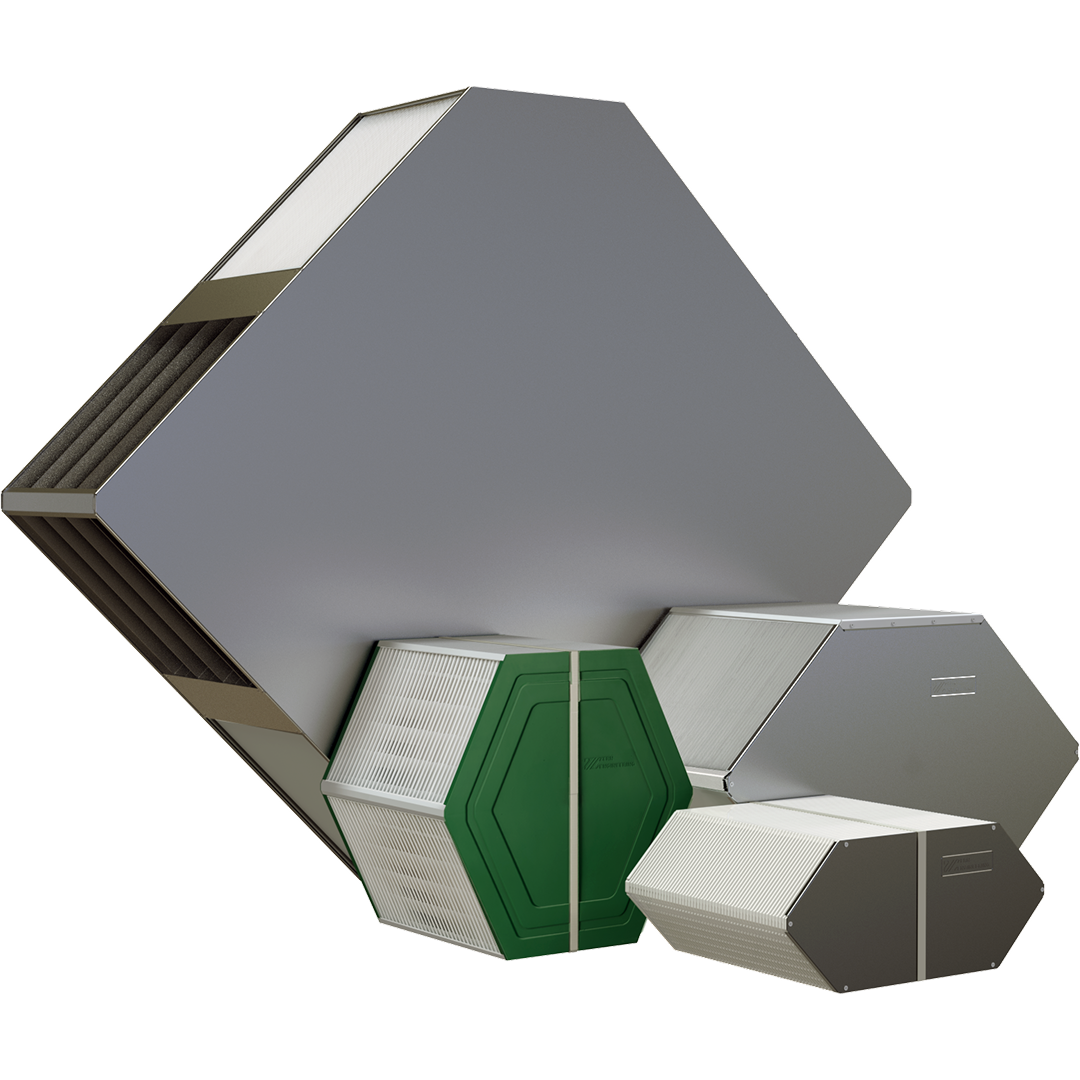
Product categories
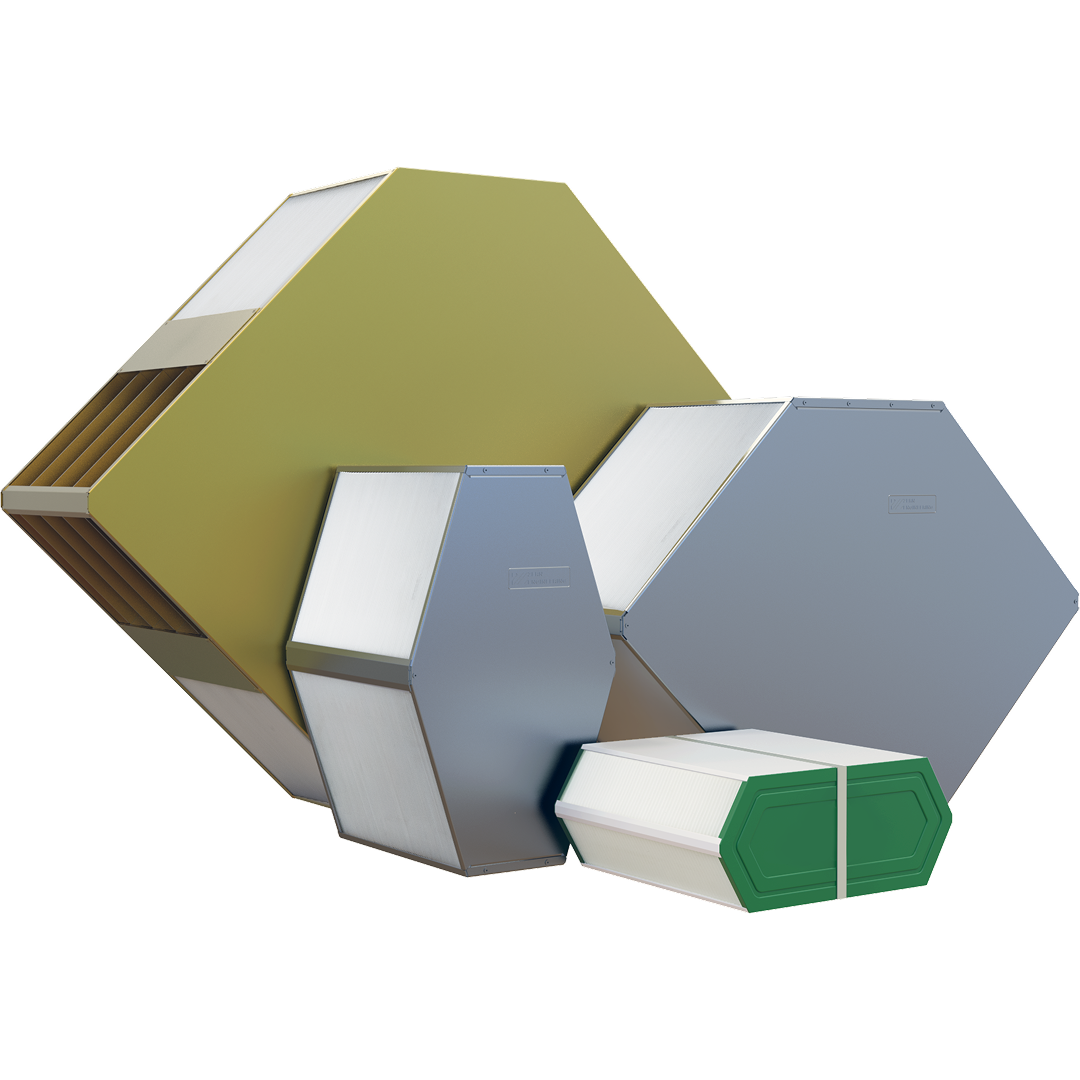
Sensible counter-flow heat exchangers
Series:
HU / HS / HC / HD-EX6
Thermoformed polystyrene cores for high heat recovery with low pressure drop. Monolithic, fully sealed structure prevents cross-contamination and is suitable for low- to medium-pressure systems.
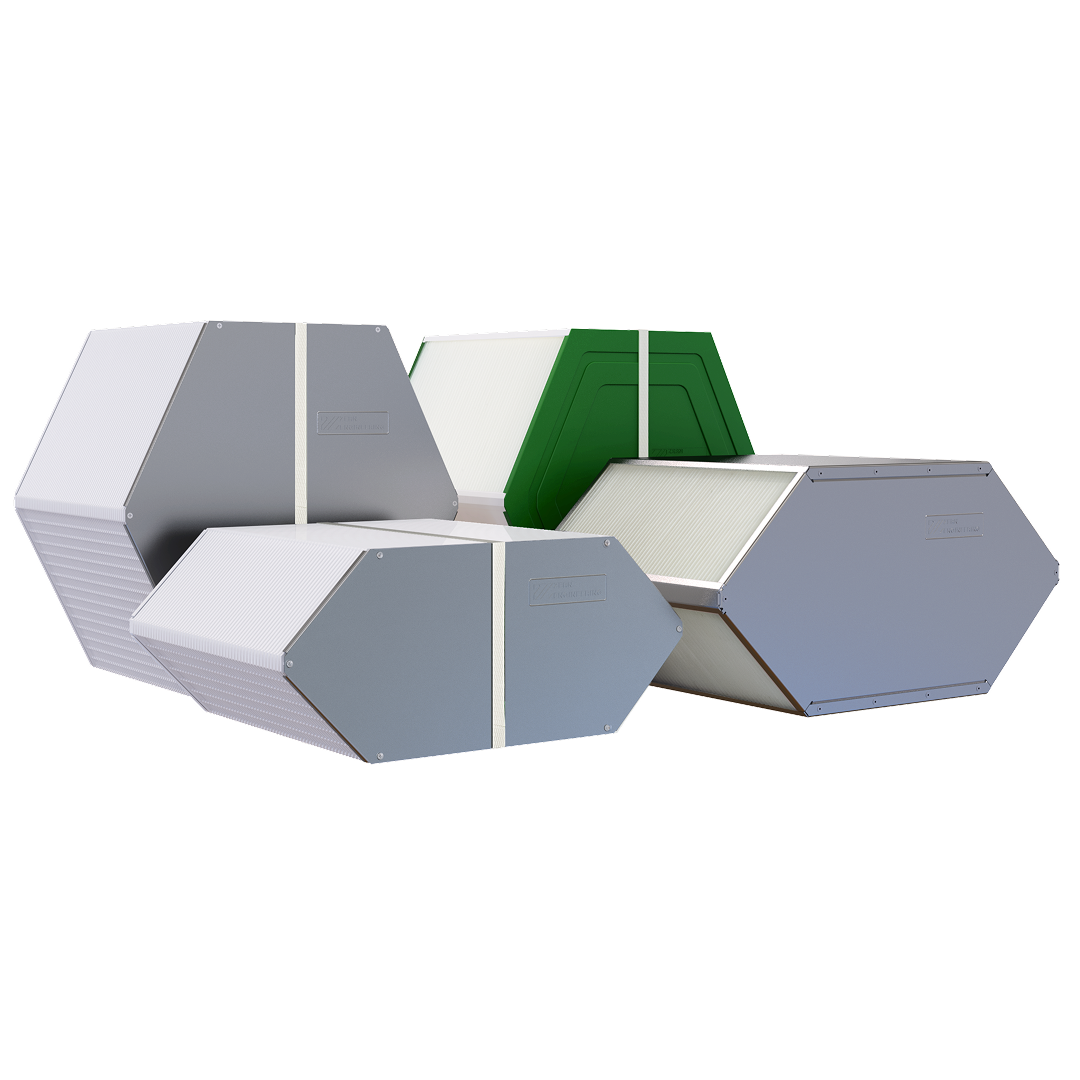
Enthalpy counter-flow heat exchangers
Series:
ECD / EC-EX6
Polymer plates bonded with a microporous, vapor-permeable membrane recover both heat and moisture - ideal for cold or dry climates and RH control.
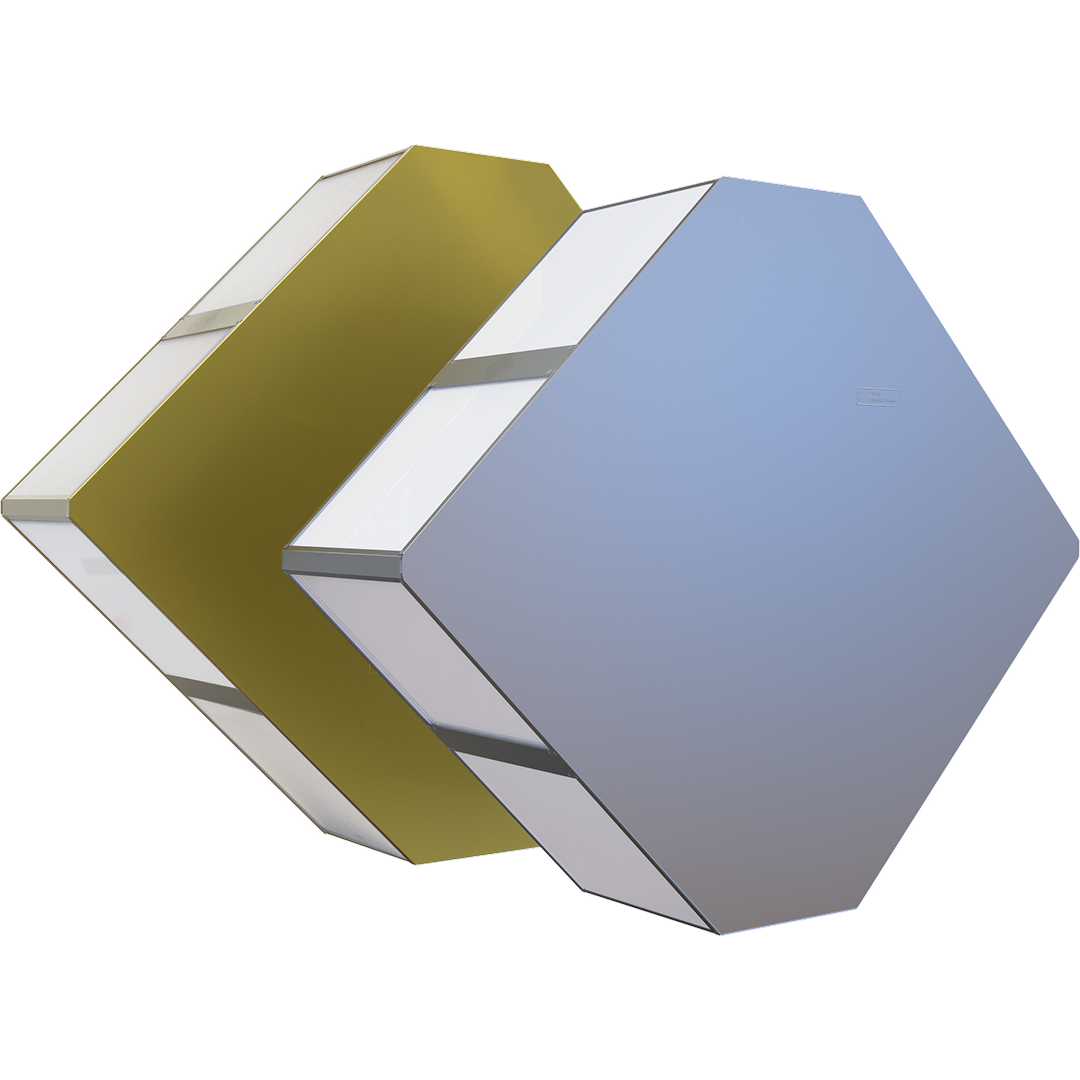
Combi counter-flow heat exchangers
Series:
Combi HU/HC-EX6
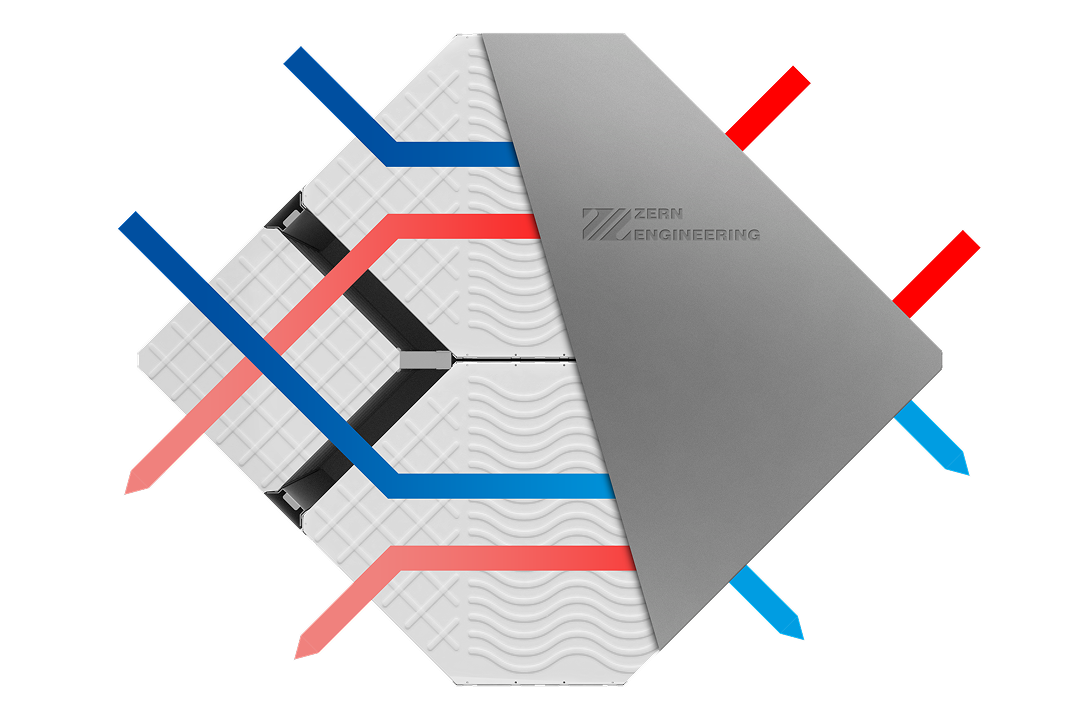
Twin-core modules joined by common plenums to handle higher airflows with a lower pressure drop while keeping all counter-flow benefits.
Key operational parameters

Thermal efficiency
Up to 95% under optimal conditions.

Humidity efficiency
Up to ~80% (depending on modes and RH).

Airflow range
Standard models 50–6,000 m³/h; larger customized solutions available on request.

Operating temperature
−25 °C to +50 °C.

Pressure drop
Typically, 40-150 Pa (depends on airflow and core size).

Service life and maintenance
Сores are non-corrosive, washable and remain effective for many years.
Technical features
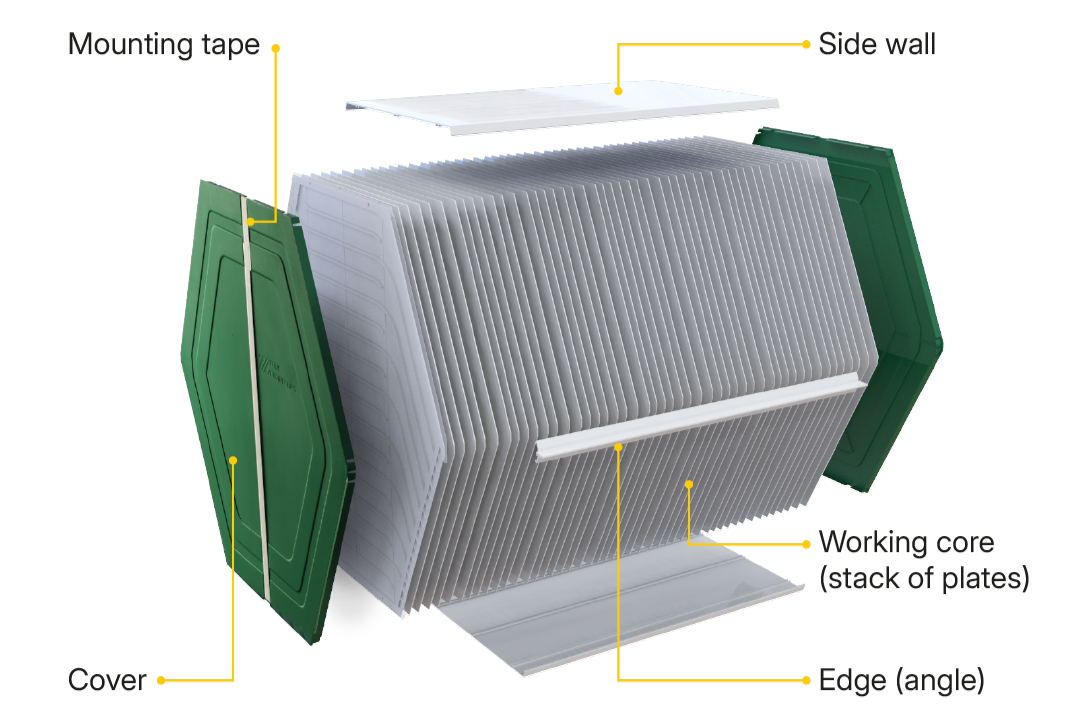
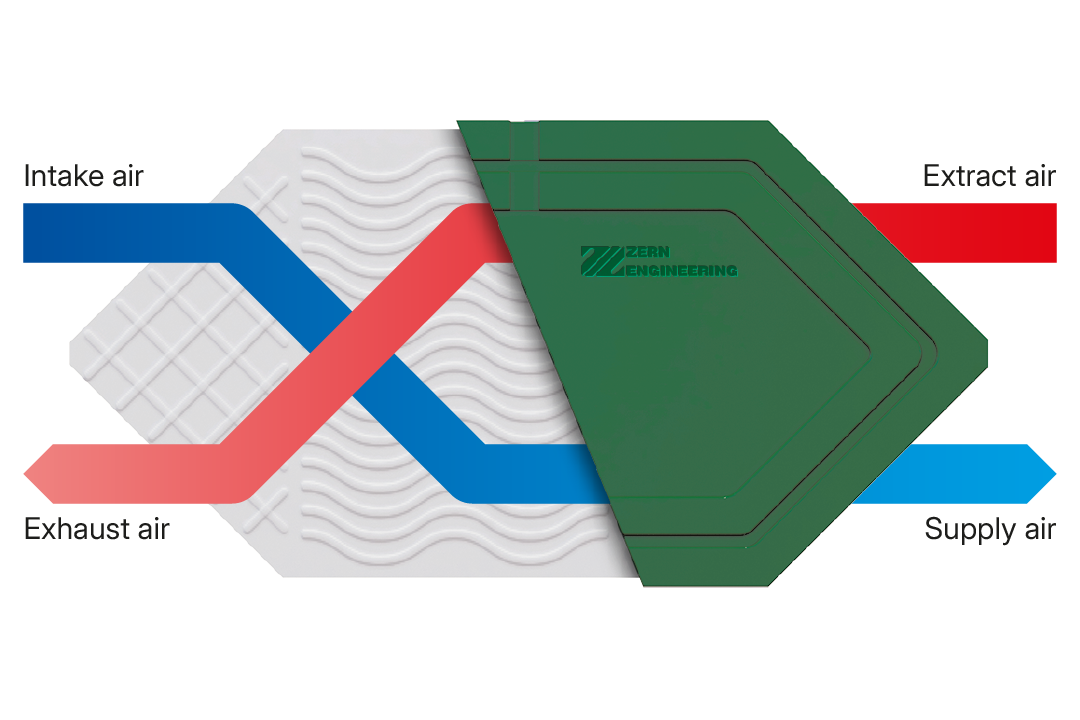
In counter-flow heat exchangers, two air streams flow in opposite directions through thin channels formed by a layered polystyrene or polymer membrane structure. This counter-flow configuration ensures a consistently high temperature gradient across the entire core length, enabling highly efficient heat transfer.
Thermoformed polystyrene plates or polymer-based enthalpy plates arranged in a tightly packed structure. The design provides: