Cross-flow heat exchangers
75%
Efficiency
75%
Efficiency
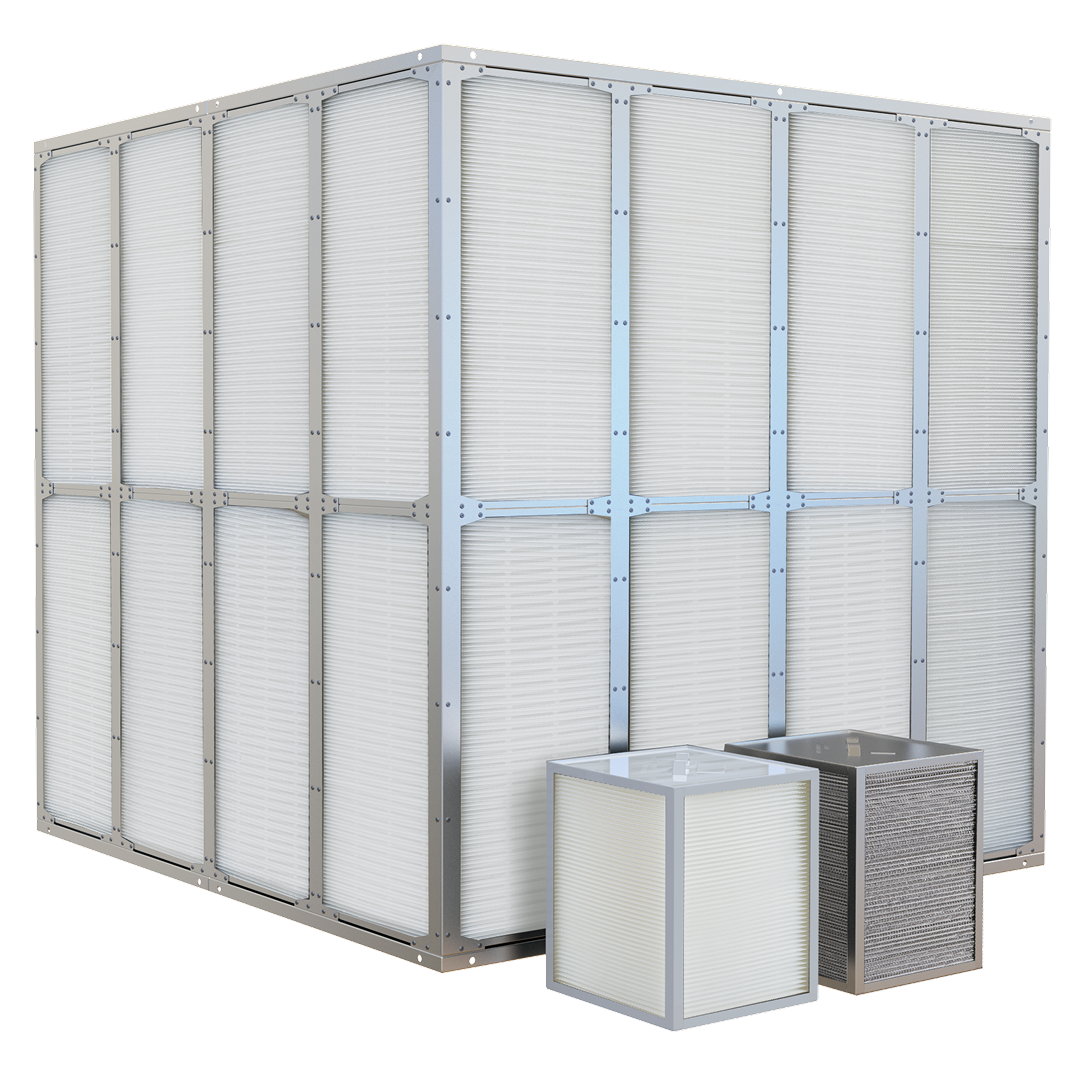
Product categories
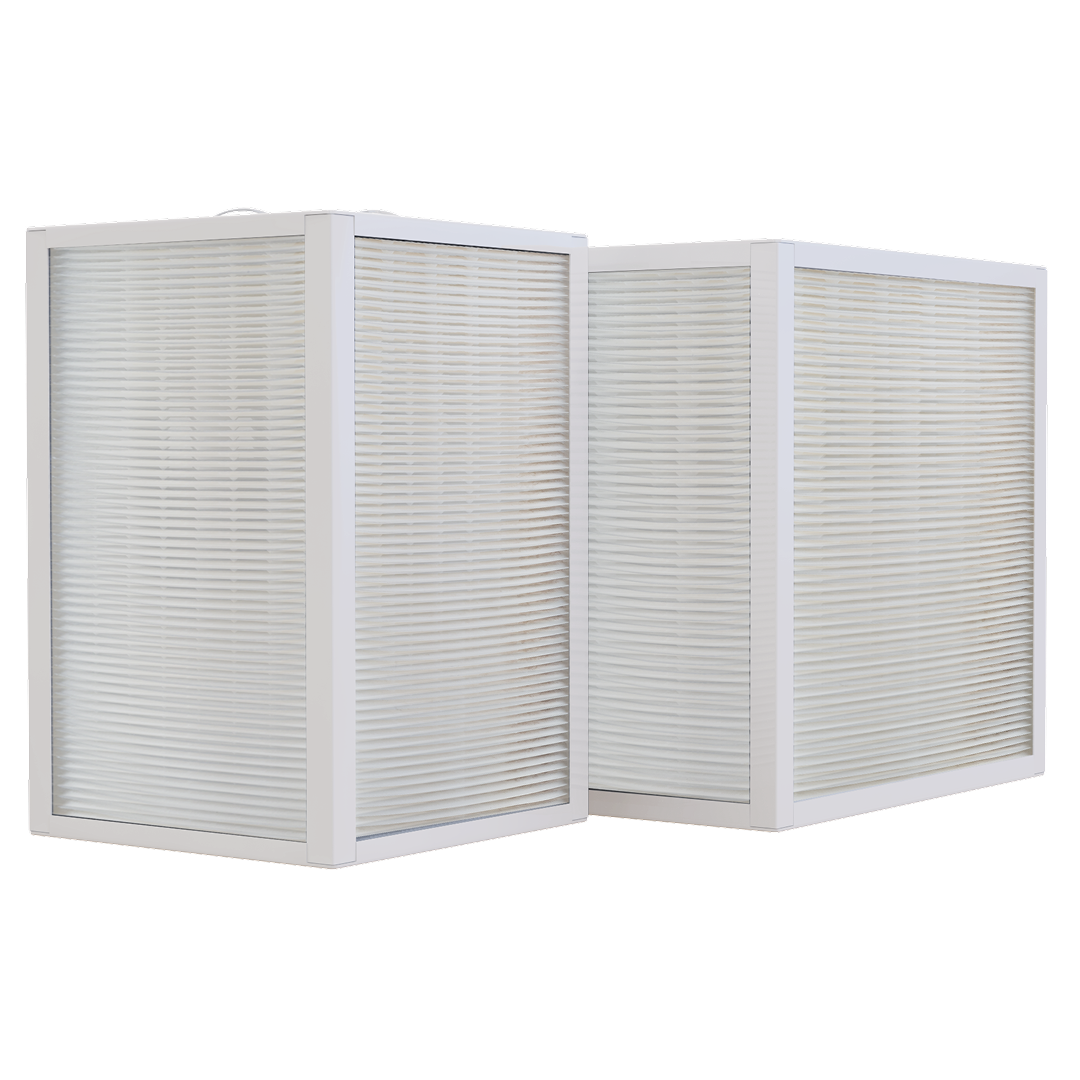
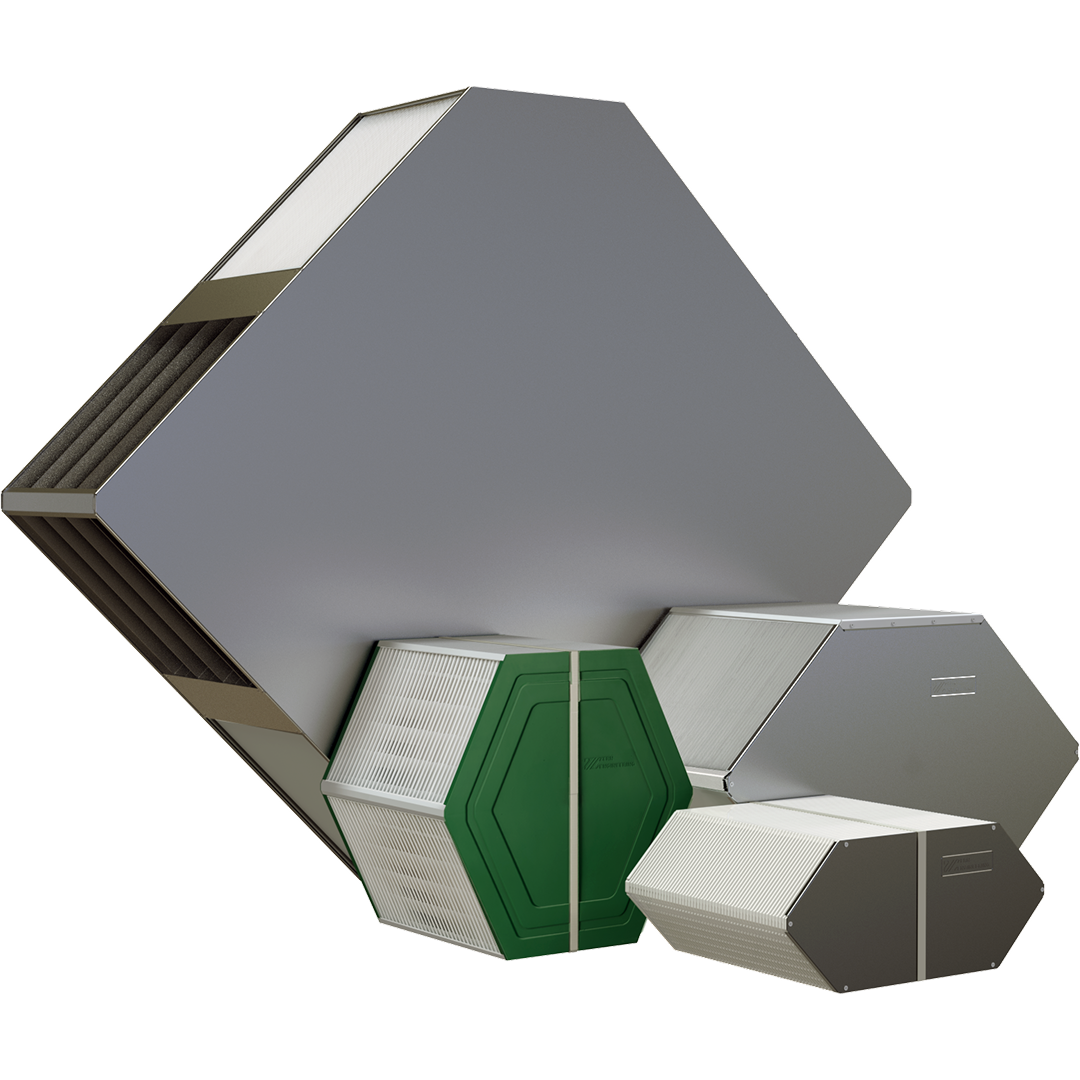
Sensible cross-flow heat exchangers
Series:
Hp-EX4
Polystyrene plates for applications requiring temperature-only recovery - dry zones, dehumidifiers, or sites needing absolute humidity separation.
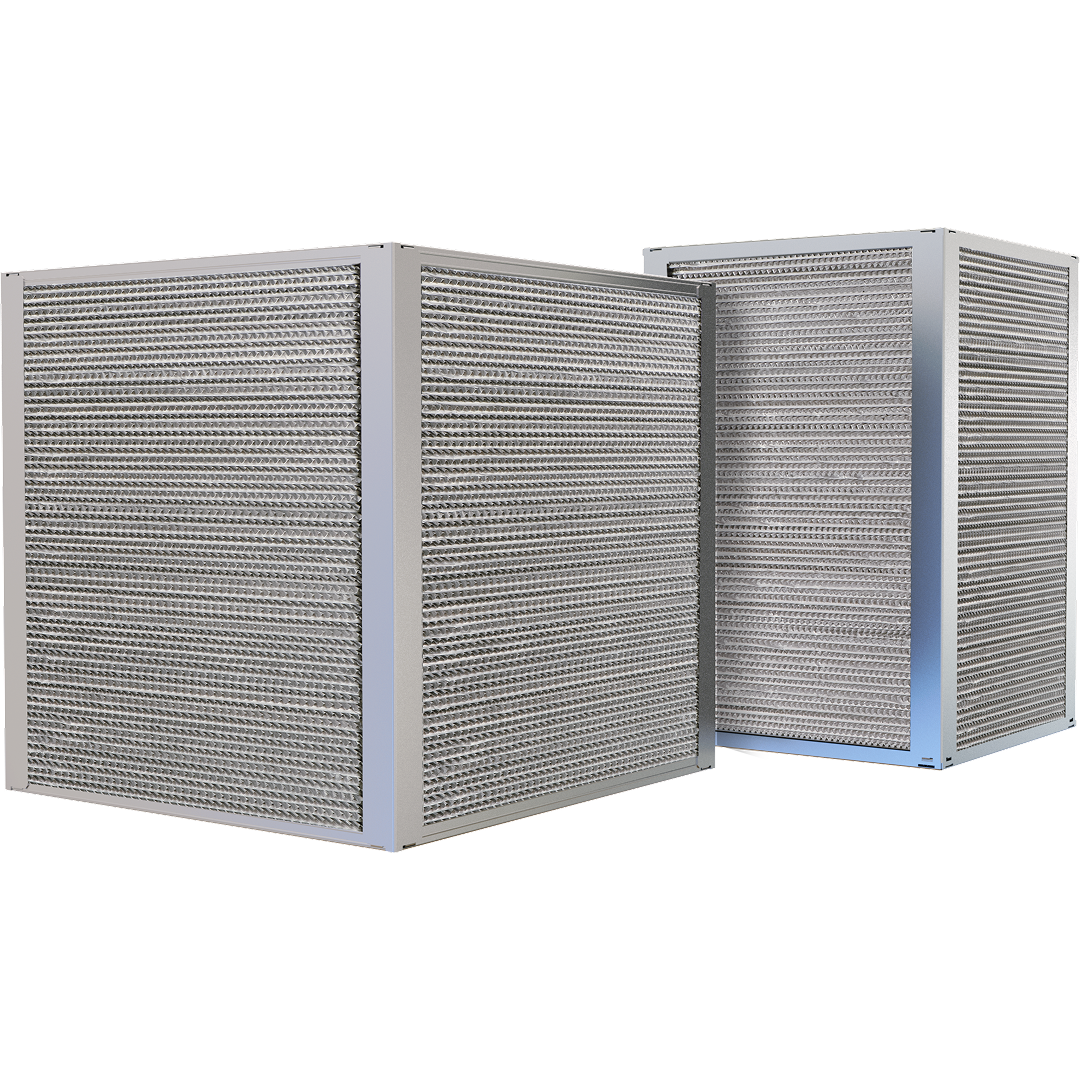
Enthalpy cross-flow heat exchangers
Series:
E-EX4
Aluminum foil with vapor-permeable membrane for heat + moisture recovery - ideal for residential and light commercial comfort control.
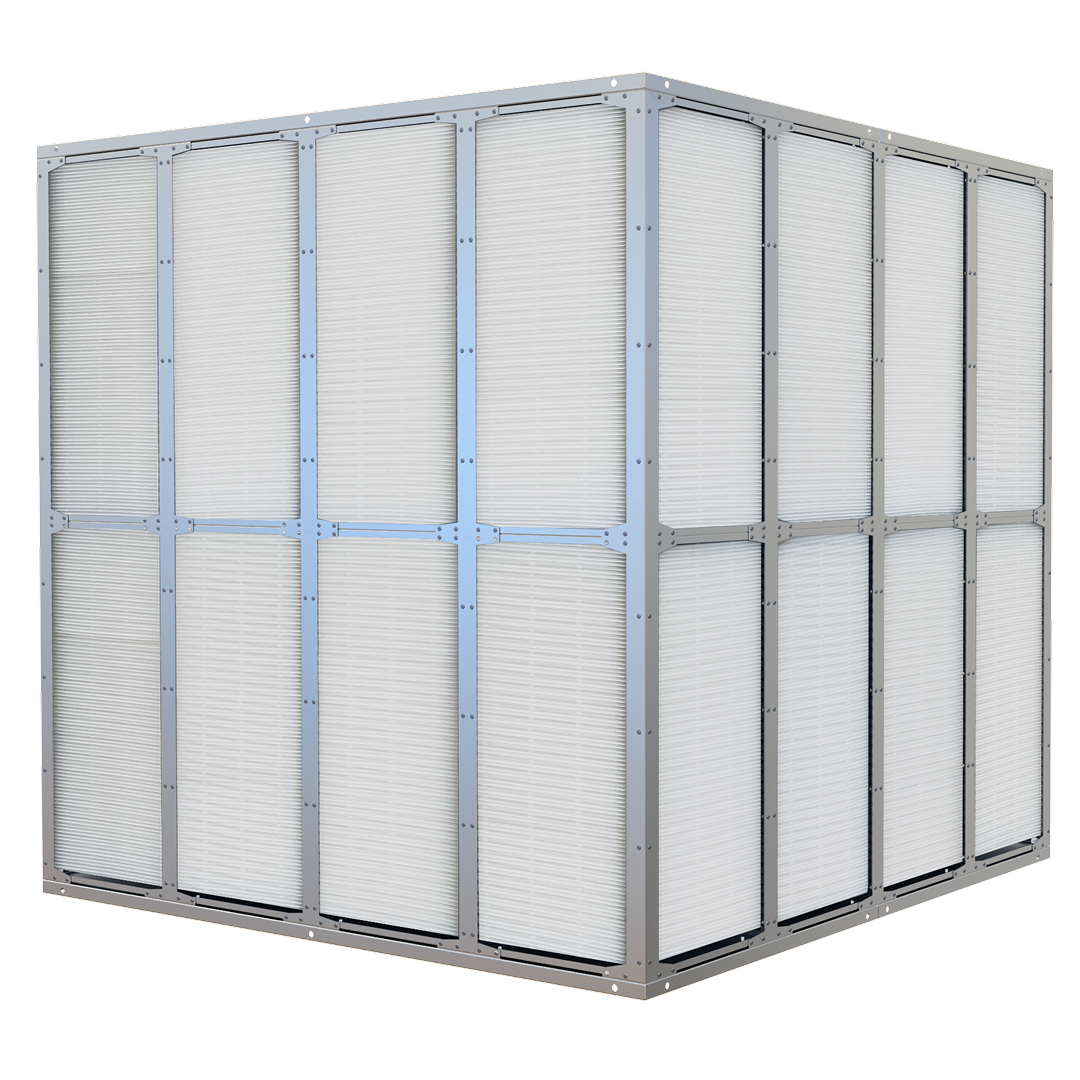
Combi cross-flow heat exchangers
Series:
Combi Hp-EX4, Combi E-EX4
Multi-core assemblies that scale airflow for larger systems while keeping pressure drop low.
Key operational parameters

Airflow range
Standard 50–3,500 m³/h; Combi versions scale >6,000 m³/h

Thermal efficiency
Up to 75% under optimal conditions.

Humidity efficiency
Up to 65% under optimal conditions.

Pressure drop
Typically, 40–130 Pa (depends on air flow, plate spacing & core size)

Operating temperature
−25 °C to +50 °C
Technical features
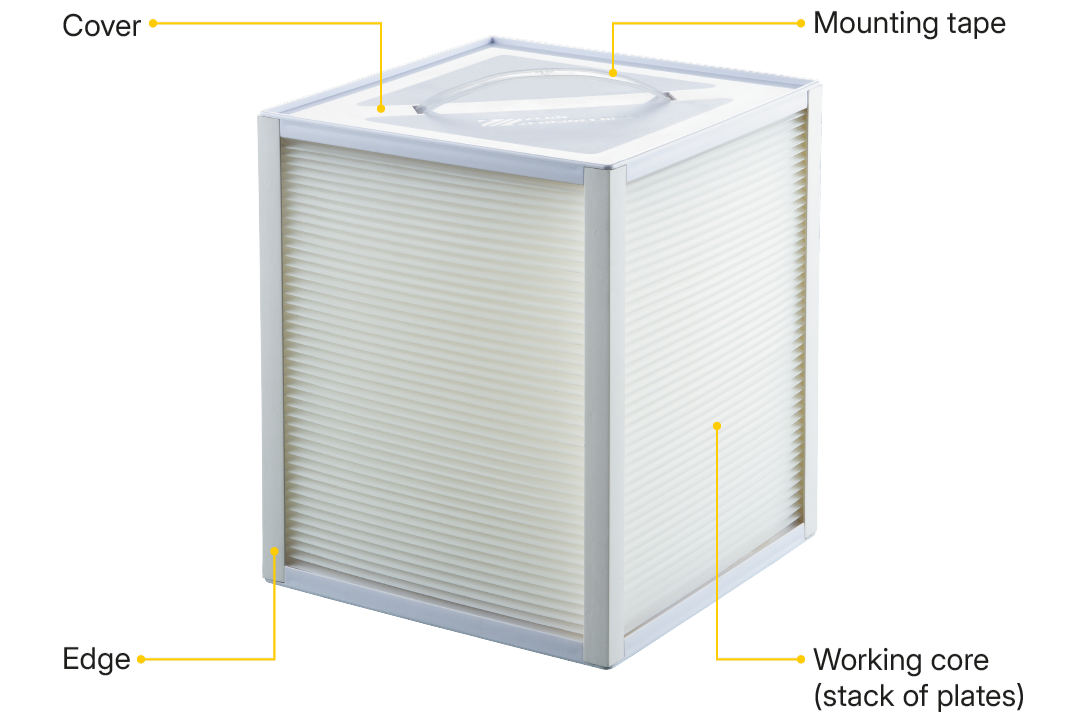
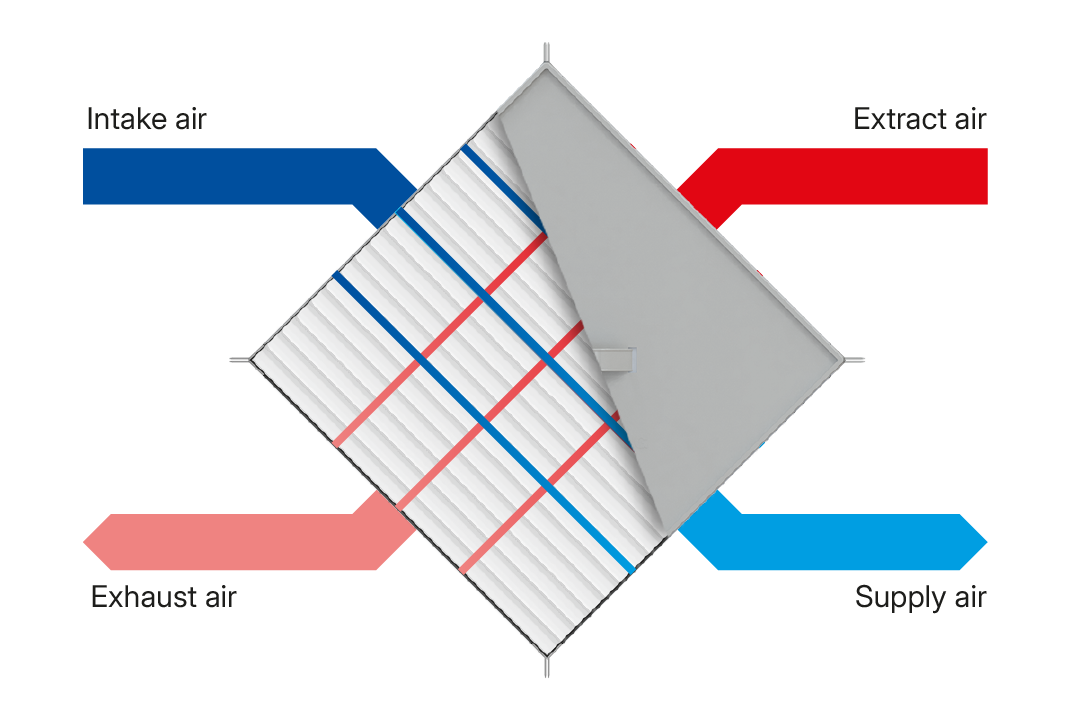
In cross-flow exchangers, supply and exhaust airstreams pass perpendicularly through separate thin channels formed by layered polystyrene plates or aluminum plates laminated with a vapor-permeable membrane. The 90° crossing maintains a strong local temperature, and with membrane cores, moisture, gradient across the plate walls while keeping the streams fully separated—delivering efficient energy recovery in a compact, low-profile core.
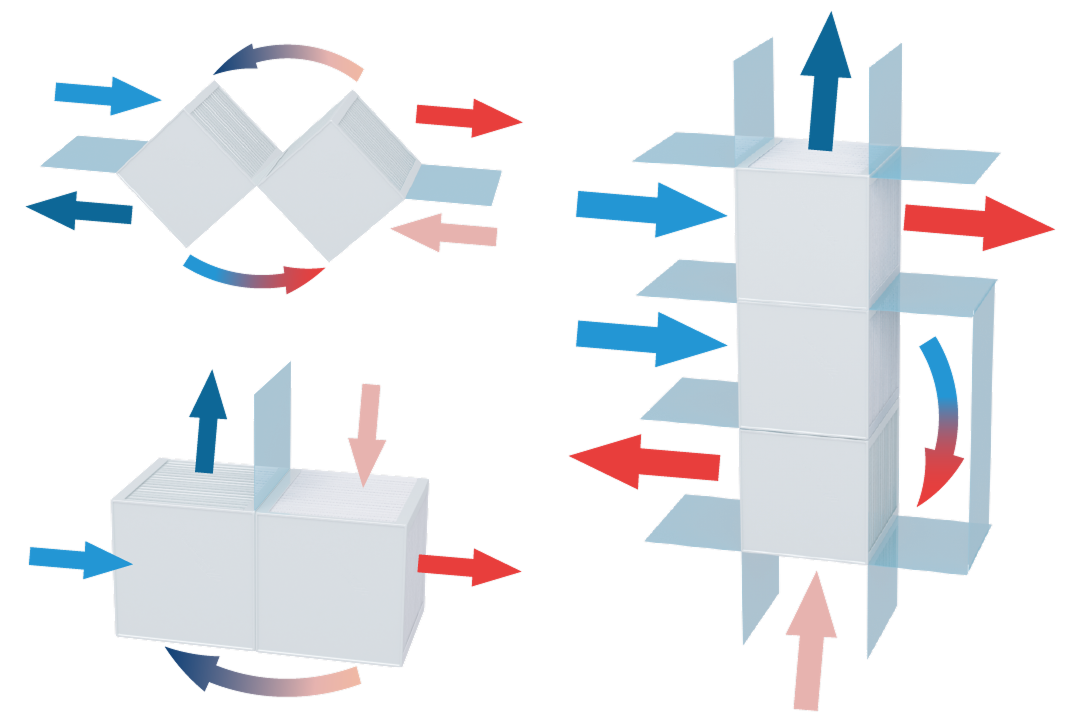
Stacked cross-flow cores use either thermoformed polystyrene plates (sensible) or aluminum plates laminated with a microporous vapor-permeable membrane (enthalpy), forming fully isolated, tightly packed channels that provide high heat-transfer surface area with low airflow resistance; the materials are corrosion-free, hygienic, and washable, with the membrane variant enabling controlled moisture diffusion while blocking gases and contaminants.