Articles / 15.04.2025
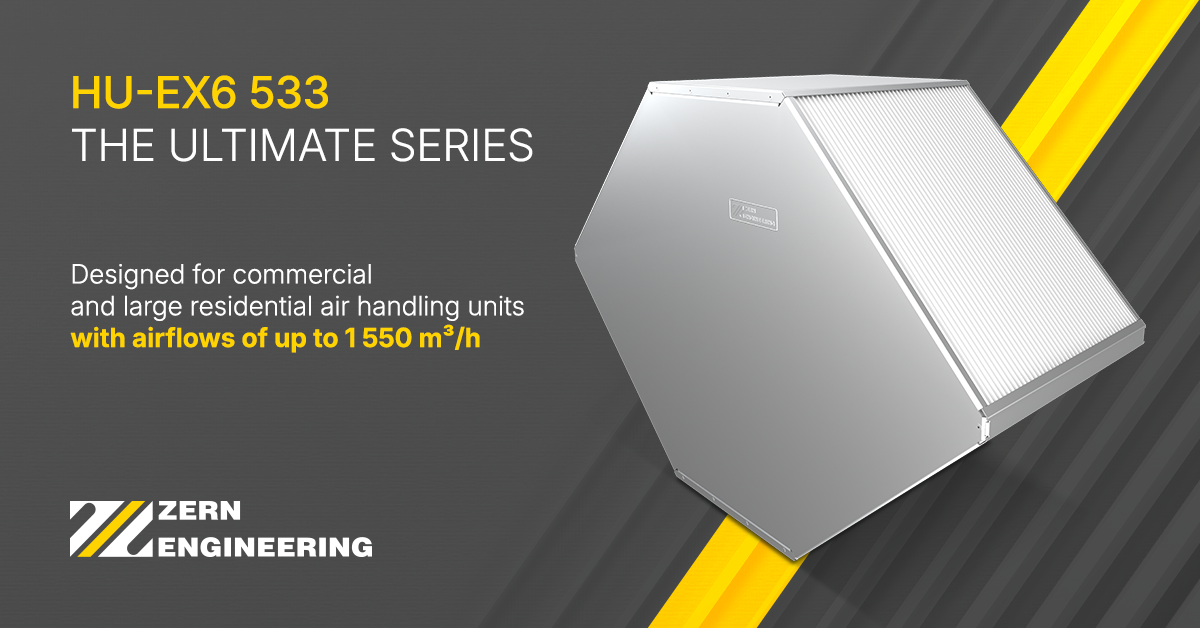
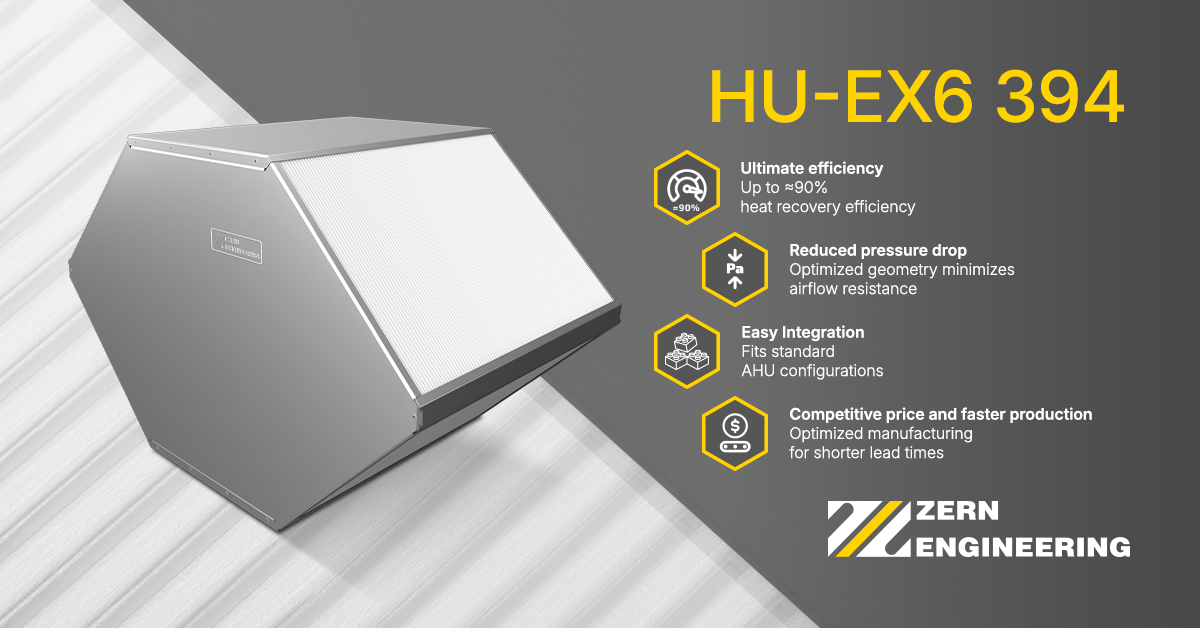
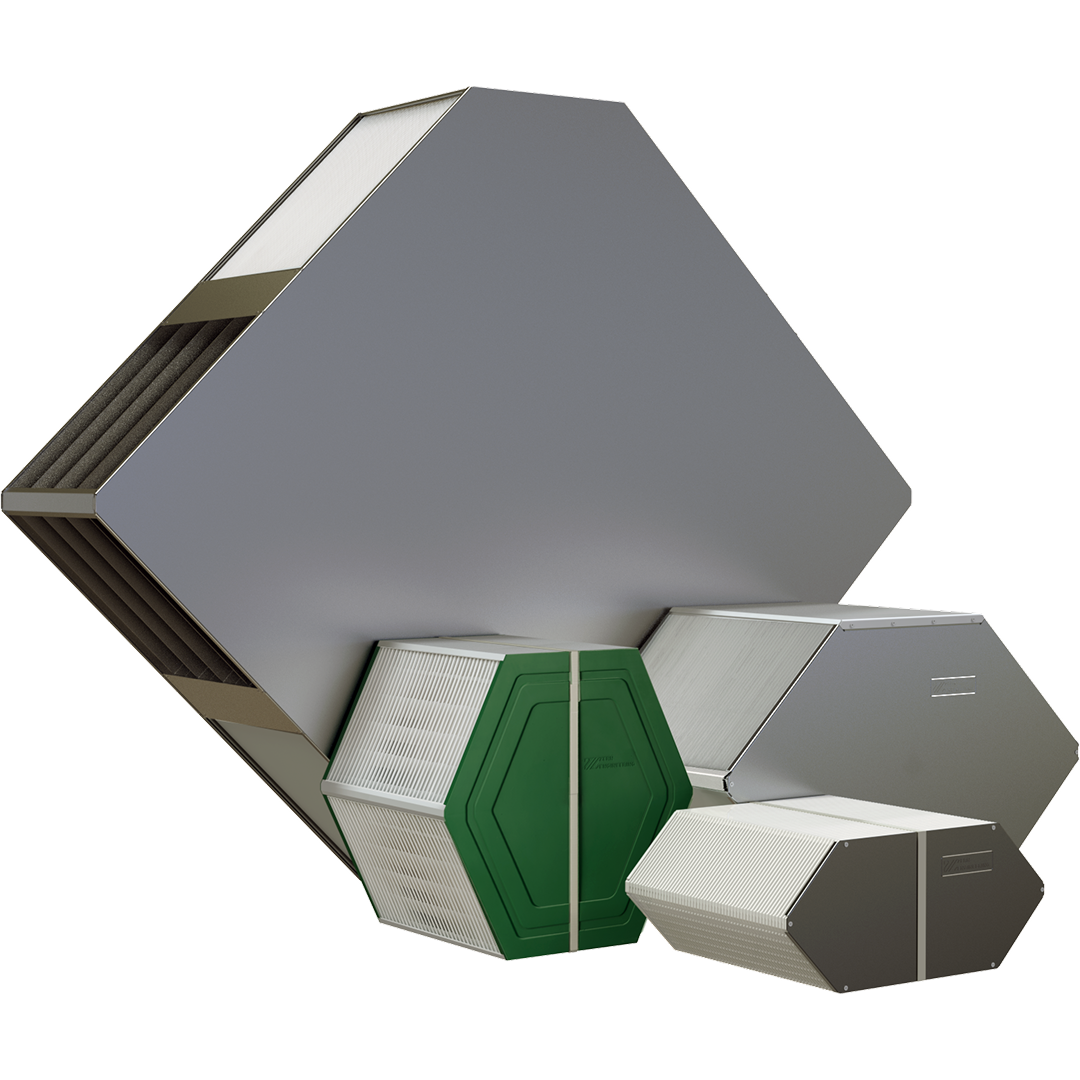
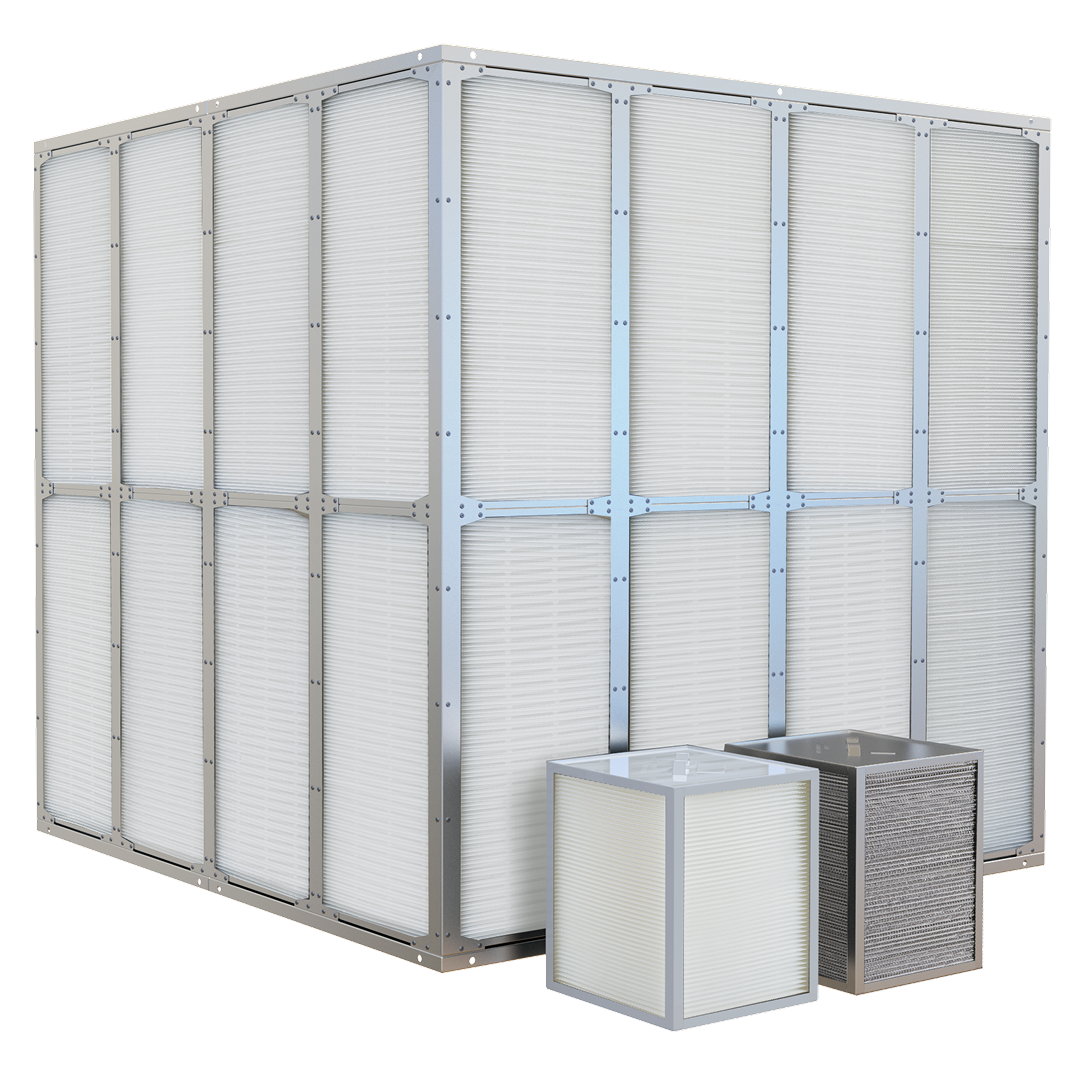
🔬Let's break down the physics behind one of the most efficient components in modern ventilation - the air-to-air plate heat exchanger.
This device uses the principle of thermal conduction to transfer heat between two streams of air - one outgoing (extract) and one incoming (fresh outdoor air).
The key is a series of thin, thermally conductive plates (often aluminium or polymer) arranged to form narrow channels:
➡️ Warm, stale indoor air flows through one set of channels.
⬅️ Cold, fresh air flows through adjacent channels in the opposite direction (counter-flow or cross-flow).
The air streams are completely separated, so there's no contamination. But the heat passes through the plate walls from the warmer air to the cooler one - thanks to the temperature gradient and the plate’s thermal conductivity ♨️
What does that mean in practice?
❄️ In winter, the outgoing warm air preheats the incoming cold air.
☀️ In summer, the cooler indoor air pre-cools the hot incoming air.
With sensible heat recovery efficiencies of up to 70-90%, plate heat exchangers significantly reduce the need for heating and cooling - saving energy 🔋and reducing emissions 🌍.
The efficiency of a plate heat exchanger is highly dependent on its design parameters:
- Plate material and thickness affect thermal conductivity.
- Channel geometry and spacing affect airflow resistance and heat transfer area.
- The flow arrangement (cross-flow, counter-flow or parallel) determines how effectively heat is exchanged.
🛠️Engineers carefully balance these factors to maximise energy recovery while minimising pressure drop and cost
No moving parts. No extra power consumption. Just physics doing the hard work💪🏻
Latest news from ZERN ENGINEERING