Articles / 01.07.2026
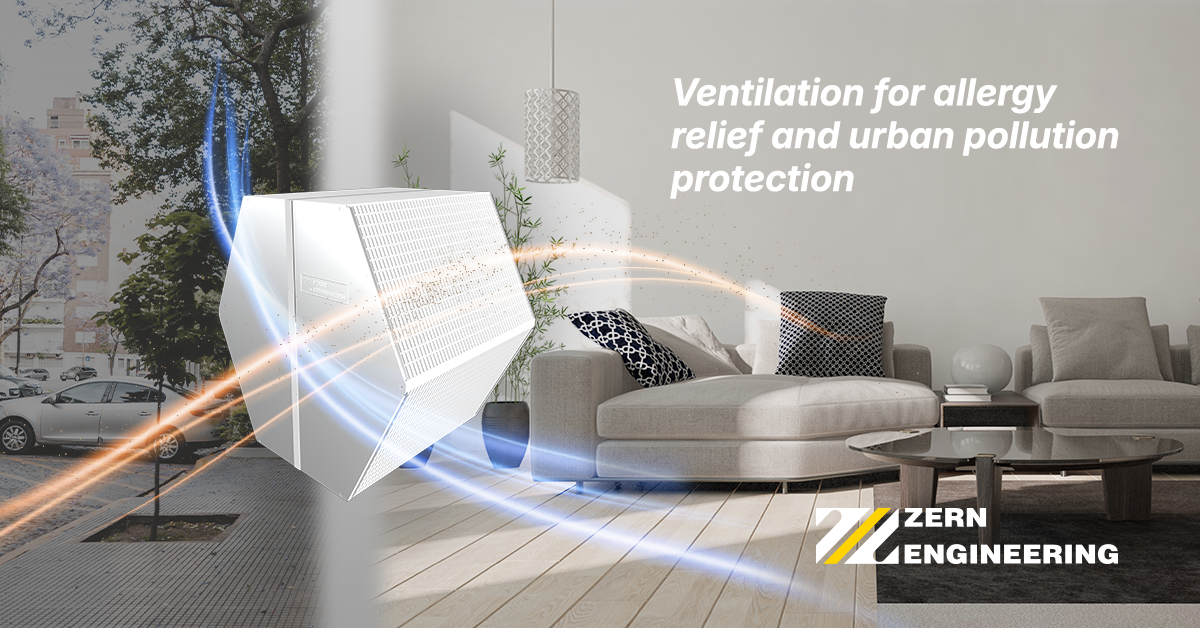
As urban populations continue to grow, people are increasingly exposed to airborne pollutants such as vehicle emissions, fine particulate matter (PM2.5), dust, and seasonal pollen. Maintaining high indoor air quality is no longer just a comfort issue - it has become an essential part of creating healthy indoor environments for homes, offices, schools, and public buildings.
For allergy sufferers, indoor air quality is particularly important. During peak pollen seasons, opening windows may allow large amounts of allergens to enter a building. Modern mechanical ventilation systems equipped with efficient air filtration help reduce exposure to pollen, dust, and other airborne irritants while ensuring a continuous supply of fresh air.
How ventilation systems are useful in our time
Key benefits of modern ventilation systems include:
- Reduced exposure to pollen and allergens;
- Removal of fine particulate matter (PM2.5 and PM10);
- Improved indoor air quality and occupant comfort;
- Continuous supply of fresh, filtered outdoor air.
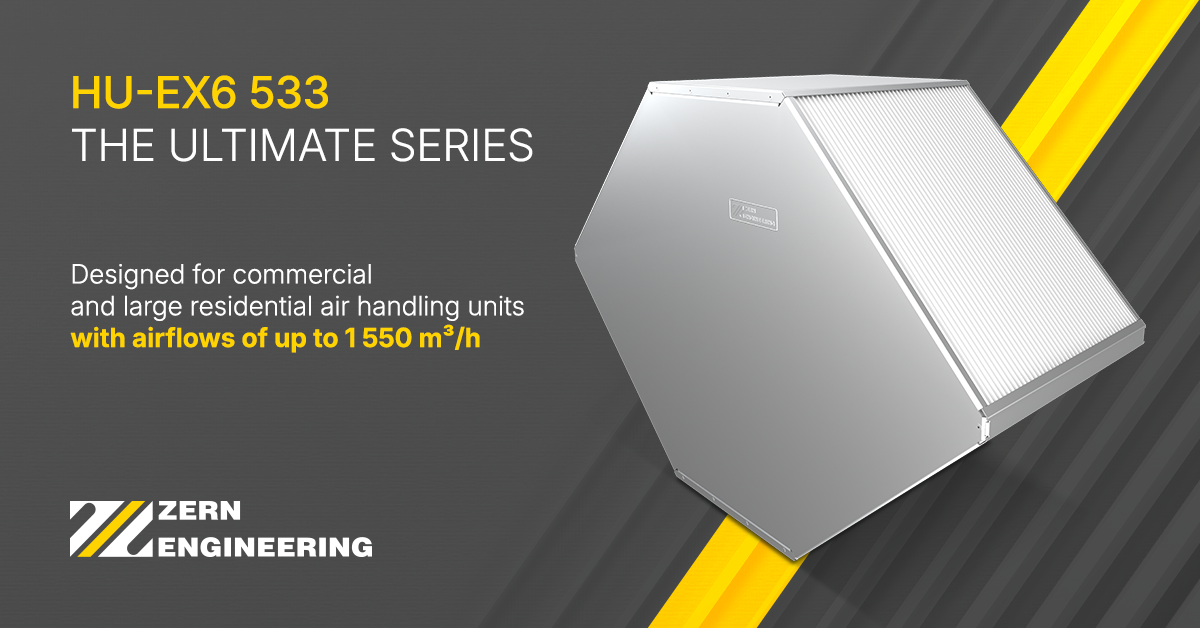
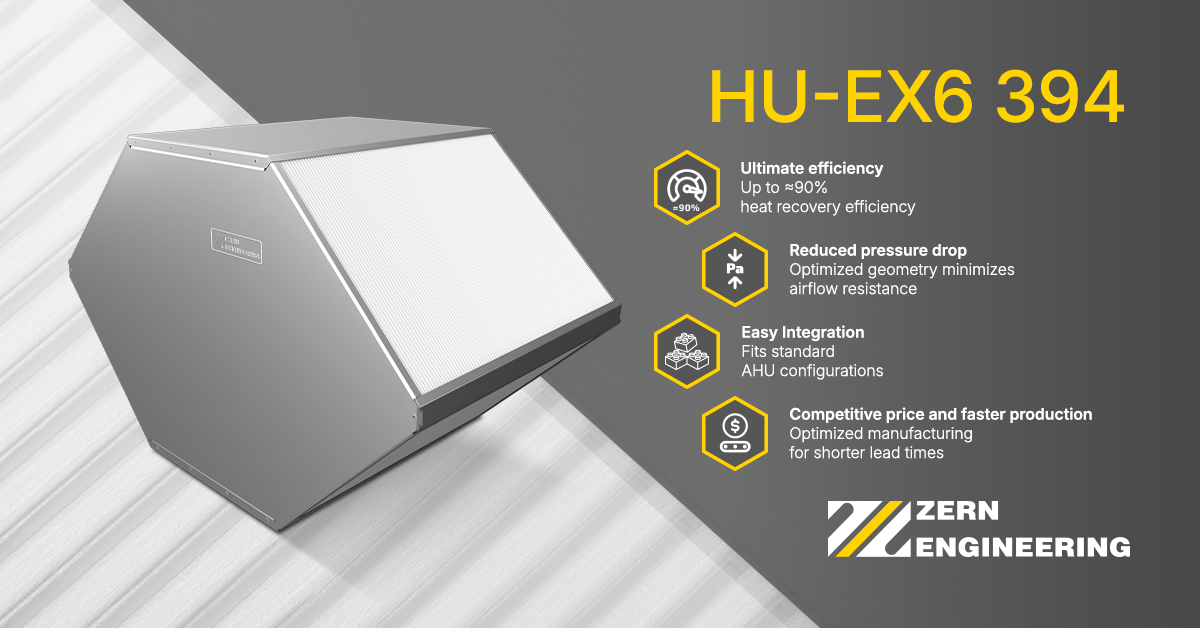
While filtration protects occupants from pollutants, energy recovery ventilation provides an additional advantage. Air-to-air heat exchangers recover thermal energy from the exhaust air stream and transfer it to the incoming fresh air. This allows buildings to maintain healthy ventilation rates without the energy losses typically associated with conventional ventilation or open windows.
Maximum effect due to the combination of filtration and heat recovery
Why combine filtration with air-to-air heat recovery?
- Continuous supply of filtered fresh air.
- Reduced ingress of allergens and urban pollution.
- Lower heating and cooling energy consumption.
- Improved comfort throughout the year.
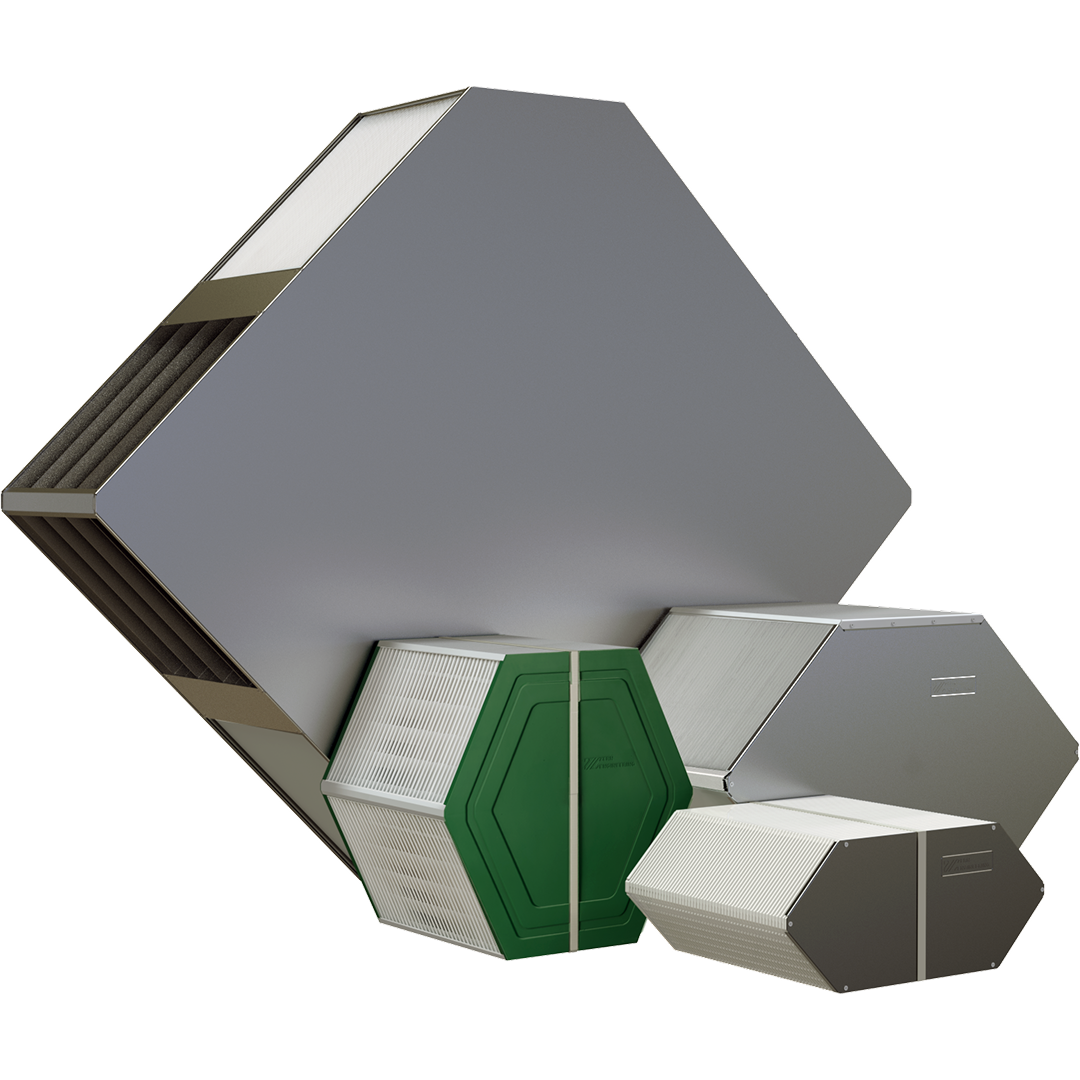
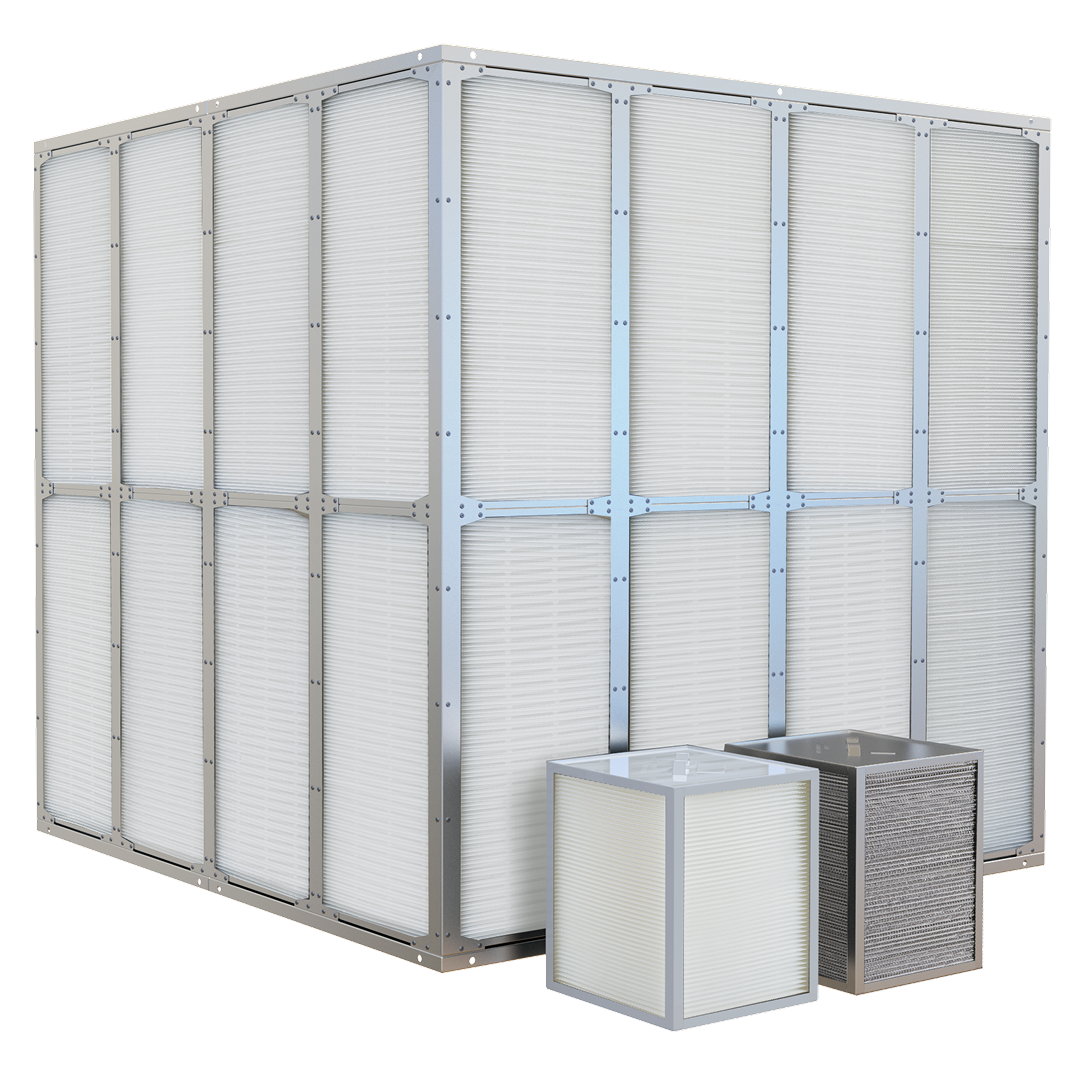
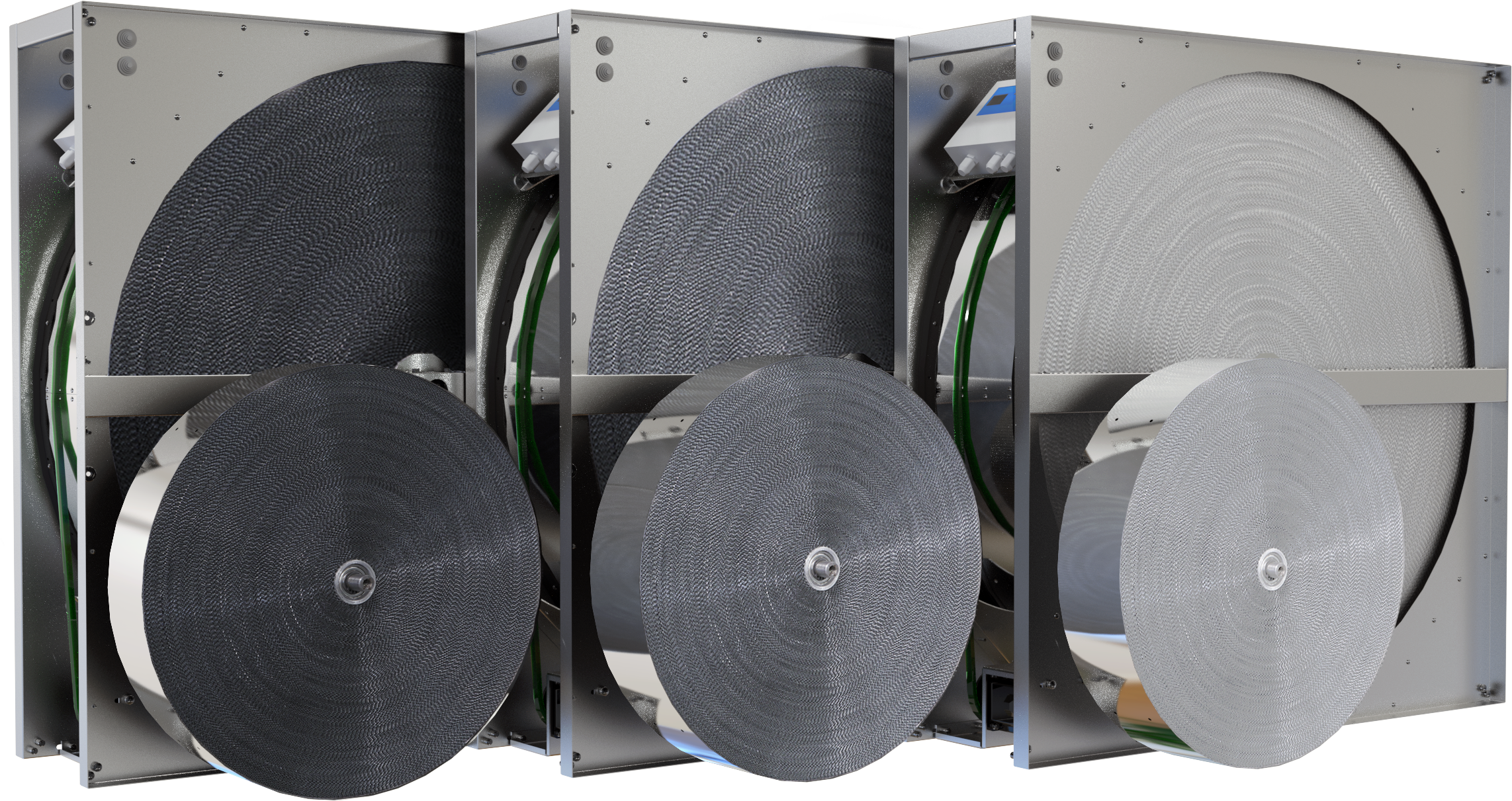
Modern plate and rotary heat exchangers play a key role in energy recovery ventilation systems, helping building owners achieve both high indoor air quality and energy efficiency. For people living in polluted urban areas or suffering from seasonal allergies, this combination provides a practical and sustainable solution for creating healthier indoor spaces.
Latest news from ZERN ENGINEERING