Articles / 28.05.2026
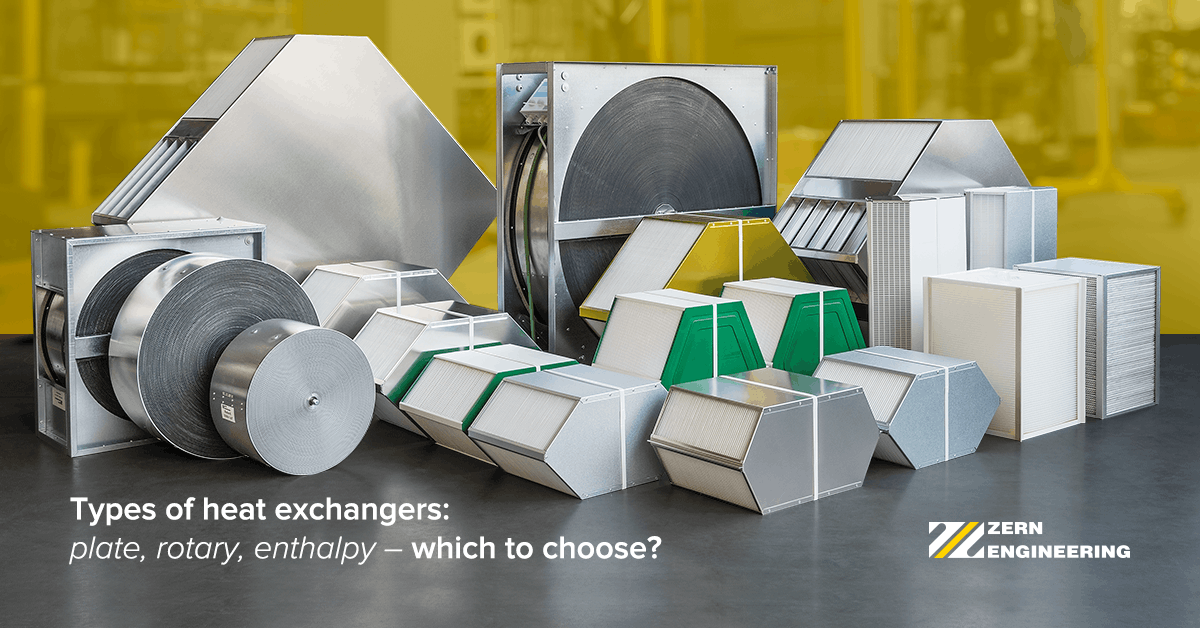
A heat exchanger for ventilation systems (recuperator) is designed to recover heat from exhaust air and transfer it to incoming fresh air, improving energy efficiency and reducing heating and cooling costs. These systems are widely used in HVAC applications, air handling units (AHUs), and industrial ventilation systems, helping maintain indoor comfort while lowering overall energy consumption.
Ventilation heat exchangers are typically divided into two main groups:
- Plate heat exchangers – fixed-core units with no moving parts
- Rotary heat exchangers – rotating-wheel units enabling continuous heat transfer
Each group includes several subtypes depending on airflow configuration and functionality.
Plate heat exchangers
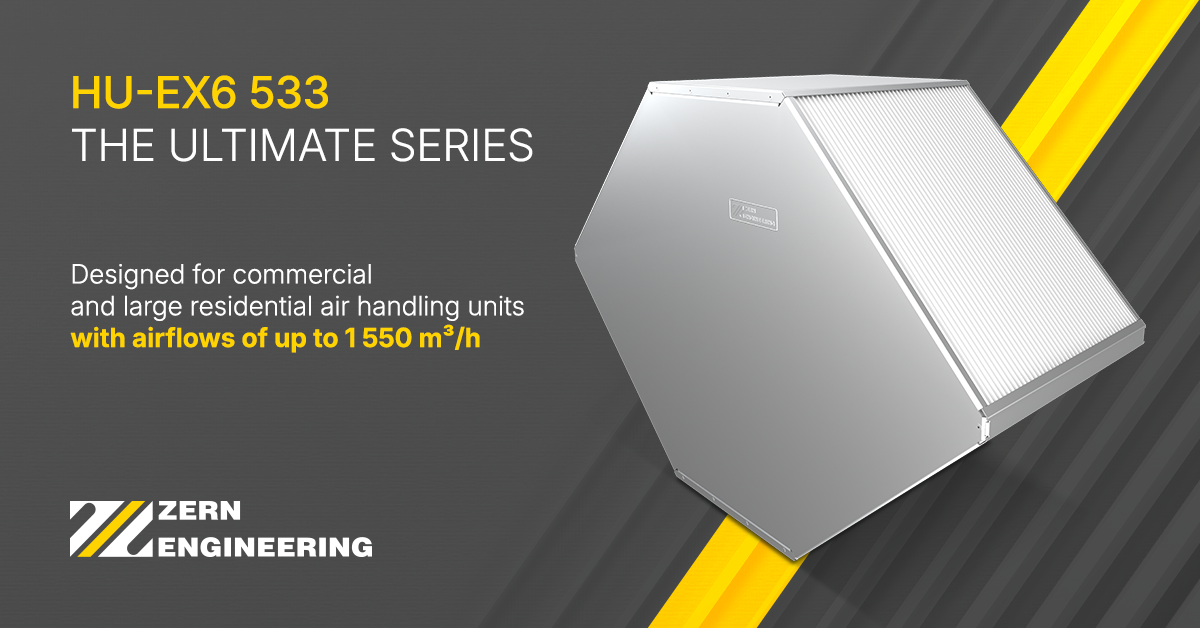
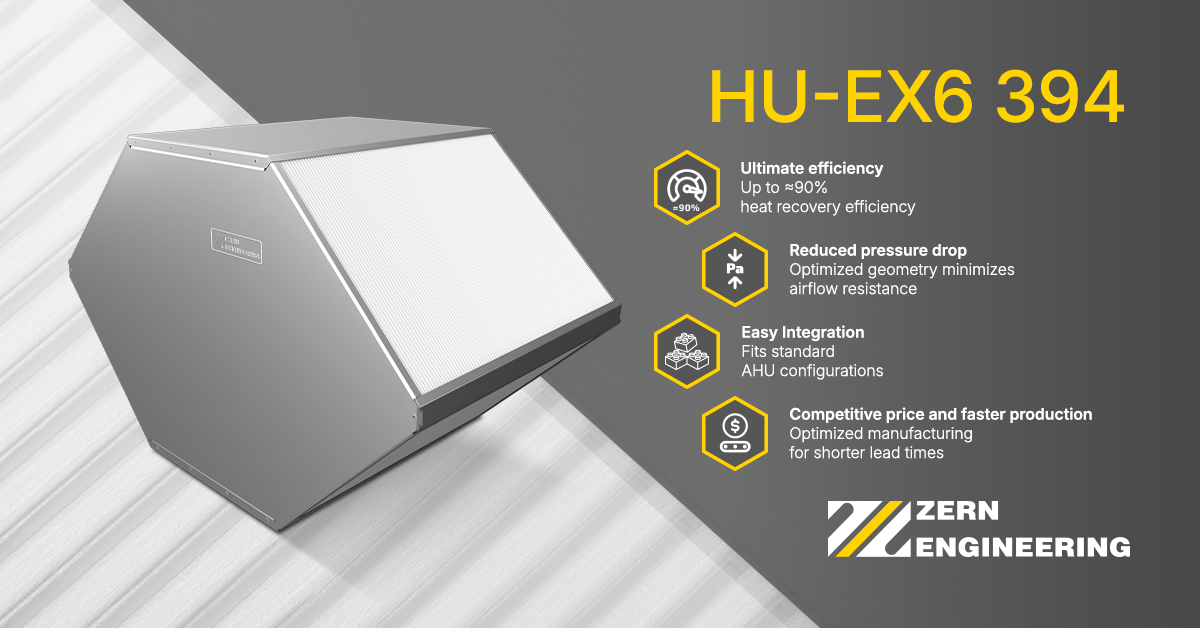
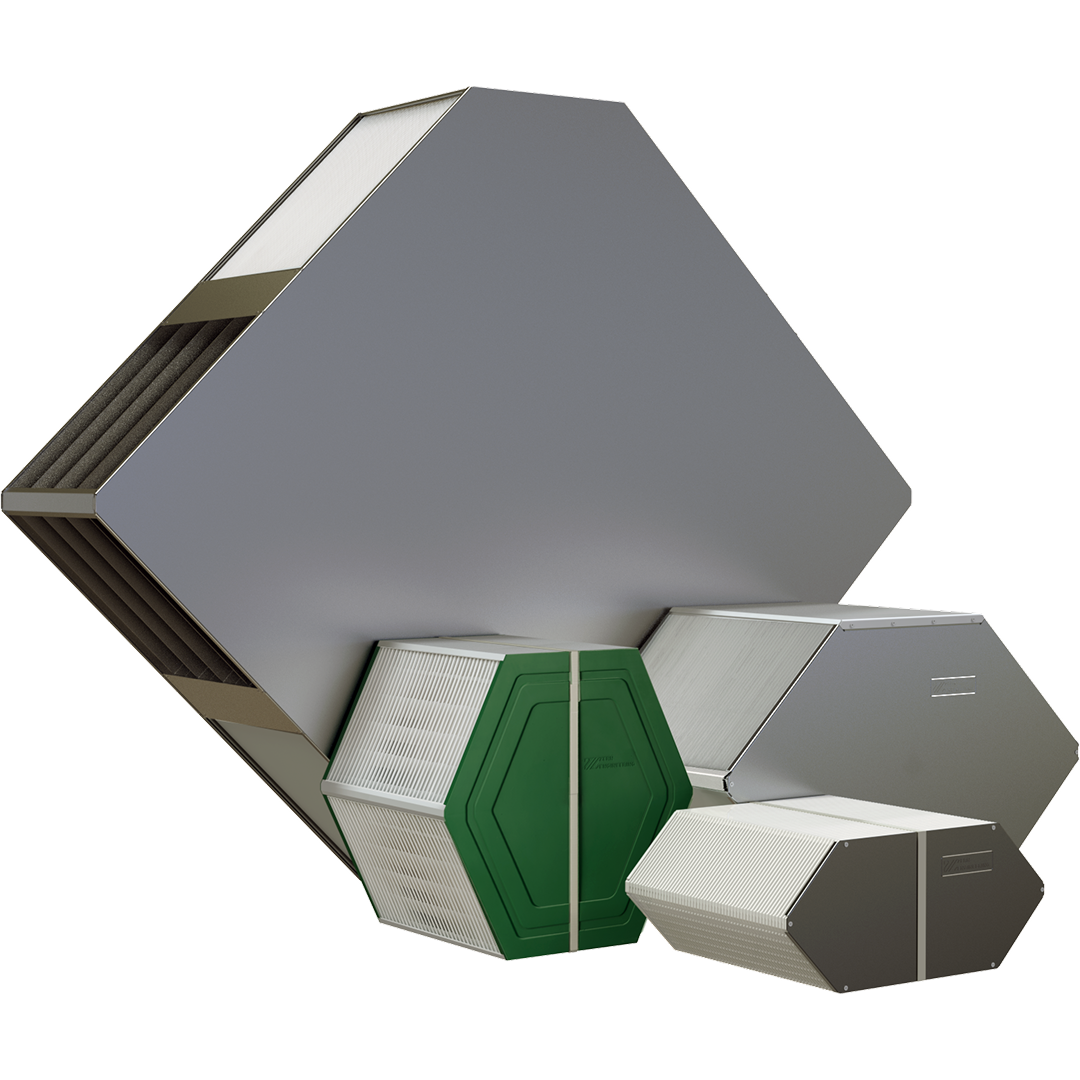
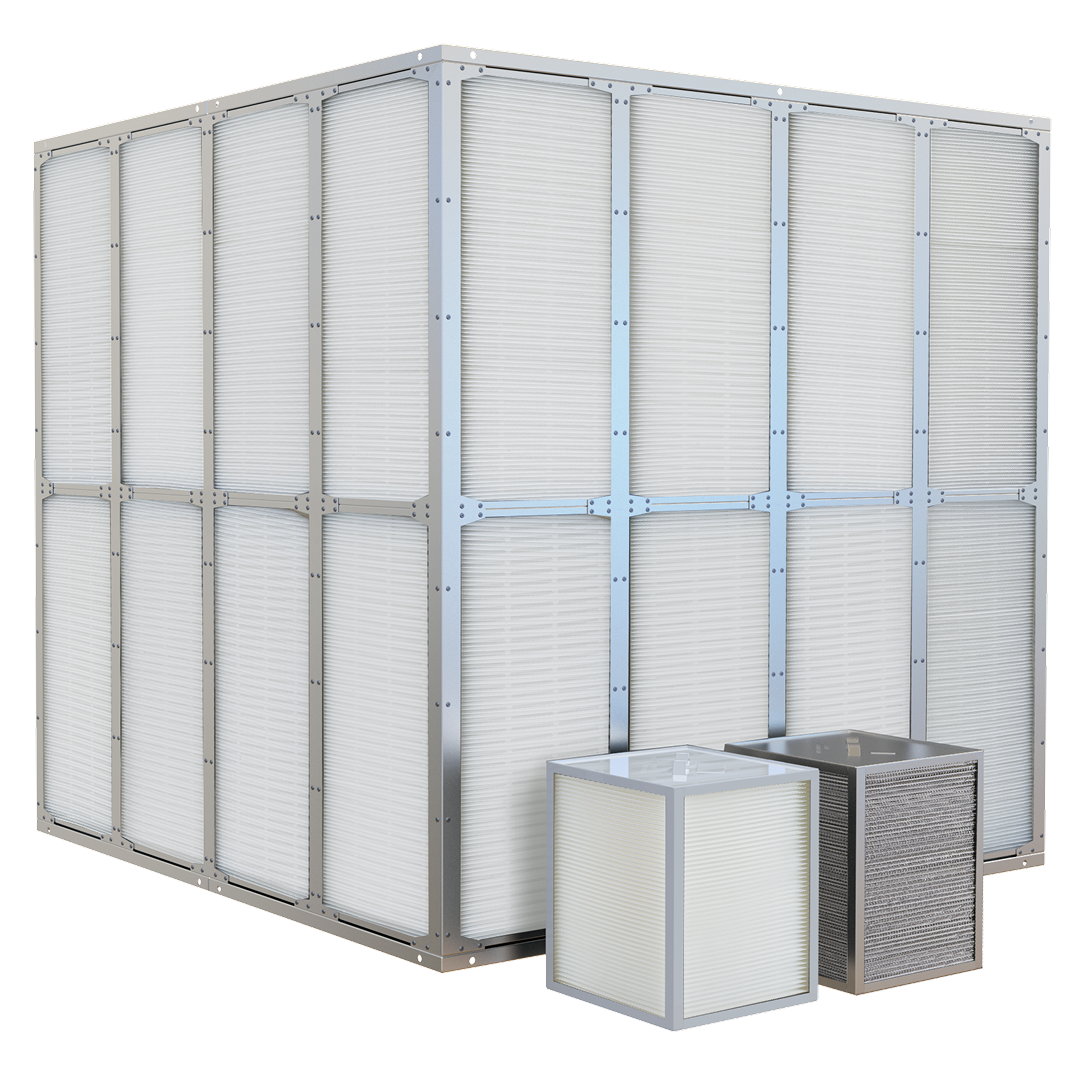
Plate heat exchangers operate by passing two separate air streams through adjacent channels, where heat is transferred through the plate material without mixing the airflows.
Plate heat exchangers are classified into:
- Sensible counter-flow heat exchangers – transfer heat only
- Enthalpy counter-flow heat exchangers – transfer both heat and moisture
- Sensible cross-flow heat exchangers – transfer heat only
- Enthalpy cross-flow heat exchangers – transfer both heat and moisture
Rotary heat exchangers
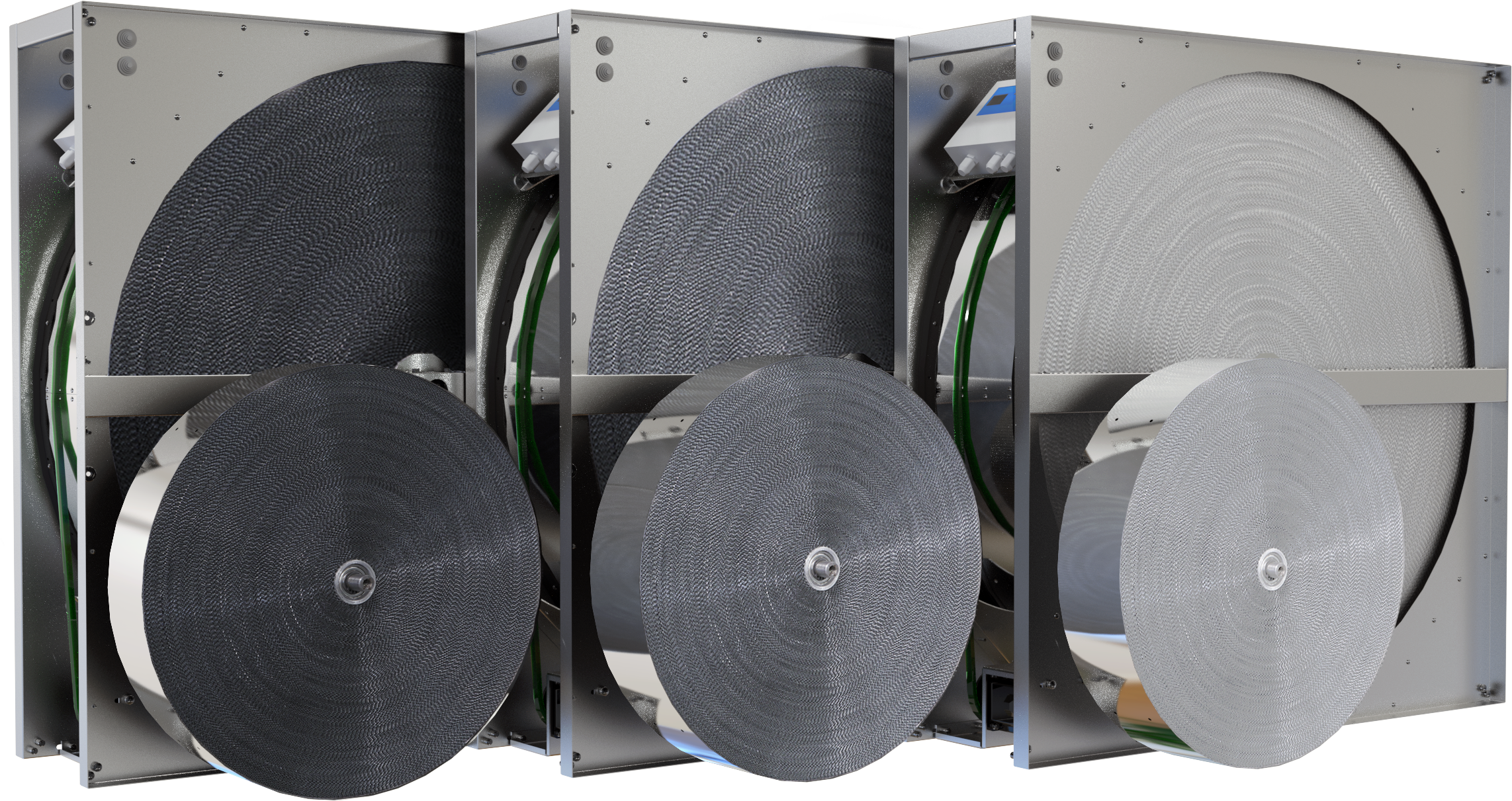
Rotary heat exchangers use a rotating wheel that continuously absorbs heat from the exhaust air and transfers it to the supply air stream.
Rotary heat exchangers are classified into:
- Condensing (sensible) rotors – transfer heat, with possible condensation and re-evaporation
- Enthalpy rotors – transfer both heat and moisture using a hygroscopic surface
- Sorption rotors – use advanced materials for enhanced humidity transfer
Which type of heat exchanger to choose?
When choosing between plate and rotary heat exchangers, the application is the key factor.
Plate heat exchangers are preferred where complete separation of airflows is required, such as in hospitals, laboratories, and clean environments.
Rotary heat exchangers are suitable for offices, shopping centers, and industrial facilities, where high efficiency and compact design are priorities.
Enthalpy solutions are recommended when humidity control is important, especially in cold or dry climates.
Choosing the right heat exchanger ensures optimal performance, compliance with indoor air quality requirements, and long-term HVAC system reliability.
Latest news from ZERN ENGINEERING